Edinburgh
UK
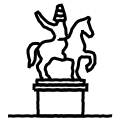
Outside Glasgow's Gallery of Modern Art, the Duke of Wellington's equestrian statue has worn a traffic cone on its head since at least the 1980s, replaced by passers-by within hours whenever it is removed. A 2013 council proposal to double the plinth's height and end the practice was withdrawn after thousands objected, and the cone is now treated as part of the city's self-image rather than vandalism.
Outside the Gallery of Modern Art in Royal Exchange Square stands Carlo Marochetti's equestrian statue of the Duke of Wellington, unveiled in 1844, which has for decades rarely been seen without a traffic cone on the rider's head. The practice is generally traced to at least the 1980s, though no single originator or founding incident has ever been verified, and explanations offered for it are anecdotal. Its status became clear in 2013, when Glasgow City Council proposed spending about £65,000 to raise the plinth and deter climbers; a public petition and protest drew tens of thousands of supporters and the plan was withdrawn. Locals now cite the cone as evidence of the city's humour and resistance to official tidying.
gb-glasgow.svgAttribution — copy this when you use the icon:
Glasgow Duke of Wellington with Cone icon by Studio Partdirector, svgcities.com/uk/glasgow, CC BY 4.0